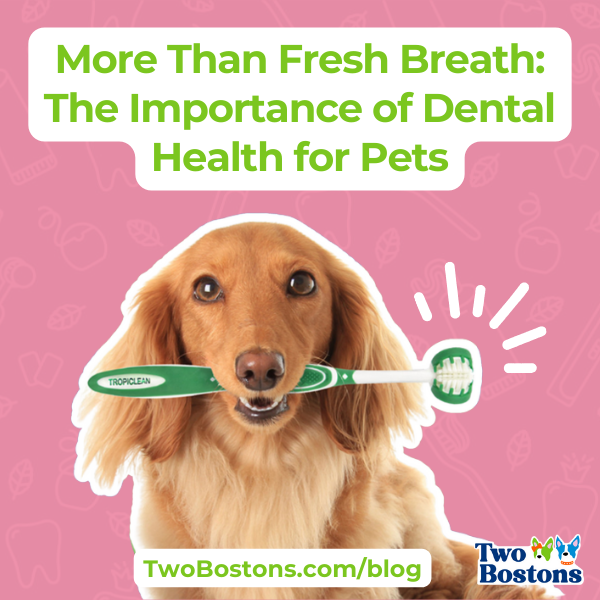
Let’s be honest: if your pet’s breath could knock you back a step, it’s trying to tell you something.
Dental health might not be the most glamorous part of pet care, but it’s one of the most important. From preventing pain to protecting major organs, what’s happening in your pet’s mouth affects their entire body.
With February being Pet Dental Health Month, it’s the perfect time to give those teefies the attention they deserve in ways that feel realistic, supportive, and easy to stick with. A few small habits can go a long way toward keeping mouths healthier and pets more comfortable.
Because a healthy mouth isn’t just about fresher kisses… it’s about a healthier, happier life
Here’s a not-so-fun fact: by age three, most dogs and cats already show signs of dental disease.
Plaque and tartar buildup can lead to:
Painful gum inflammation
Tooth loss
Trouble eating (or avoiding food altogether)
Bacteria slipping into the bloodstream
That last one is especially important. When oral bacteria spread, they don’t just stay in the mouth. They can impact major organs like the heart, liver, and kidneys.
Bottom line? Dental health isn’t cosmetic. It’s a key part of keeping your pet comfortable, healthy, and thriving for years to come.
Pets are experts at hiding discomfort (truly Oscar-worthy performances). That’s why dental problems often fly under the radar until they’re more advanced.
Keep an eye out for:
Bad breath that doesn’t quit
Red, swollen, or bleeding gums
Yellow or brown buildup on teeth
Dropping food or chewing on one side
Pawing at the mouth or face
If you notice any of these signs, it’s worth checking in on your pet’s dental health sooner rather than later.
Good news: dental care doesn’t have to mean daily toothbrushing battles (though brushing is fantastic if your pet tolerates it).
The best dental routine is one that actually works for your pet and your lifestyle.
Helpful options include:
Tooth brushing when possible (even a few times a week helps!)
Dental-friendly treats, chews, or food
Regular veterinary dental checkups
Products designed to reduce plaque and tartar
Even small, consistent steps can make a meaningful difference over time. Click HERE to view oral solutions at Two Bostons.
Pet Dental Health Month is all about awareness. It’s a reminder that dental care is just as important as nutrition, exercise, and regular checkups.
February is a great time to:
Start (or restart) a brushing routine
Explore dental products that fit your pet’s needs
Ask questions and get ahead of potential issues
Your future self—and your pet—will be glad you did.
Dental health isn’t optional. It’s essential.
Taking care of your dog or cat’s teeth helps prevent pain, supports whole-body health, and improves quality of life at every age.
This February, give your pet something truly valuable: a healthier smile, fewer problems down the road, and plenty more happy moments together.
Why is dental health important for dogs and cats?
Dental health is vital because plaque and tartar buildup can lead to gum disease, pain, tooth loss, and infection. Oral bacteria can also enter the bloodstream and affect organs like the heart, liver, and kidneys.
How common is dental disease in pets?
Very common. Most dogs and cats show signs of dental disease by the age of three, making it one of the most widespread health issues in pets.
What are signs my pet may have dental problems?
Common signs include bad breath, red or bleeding gums, visible tartar, difficulty chewing, dropping food, or pawing at the mouth.
How can I support my pet’s dental health at home?
Routine care may include tooth brushing, dental treats or chews, dental-supportive diets, and consistent veterinary checkups.
Is dental care just about fresh breath?
No. While fresher breath is a bonus, dental care primarily helps prevent pain, infection, and serious health complications that affect your pet’s overall wellbeing.
Why is February Pet Dental Health Month important?
February is Pet Dental Health Month, dedicated to raising awareness about preventive dental care and encouraging pet parents to take proactive steps before problems arise.